Willa Carter · 19 September 2026
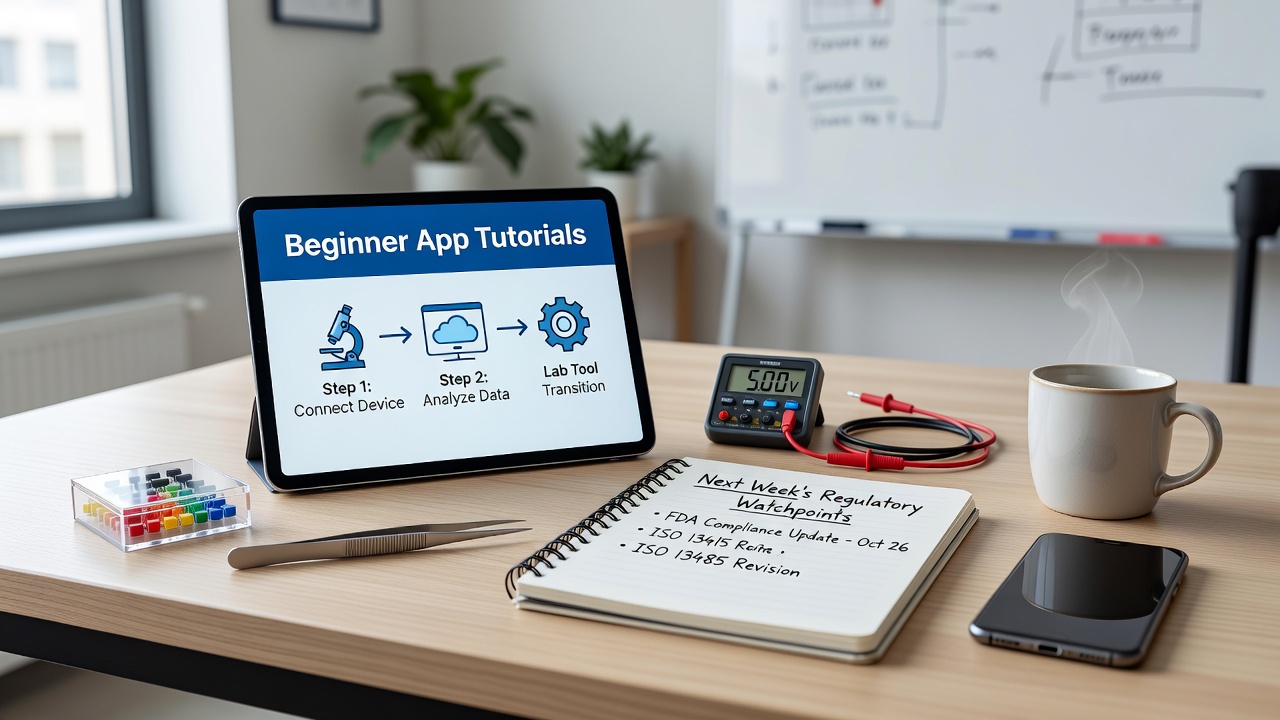
Breaking Down Lab Tool Changes: Entry-Level App Tutorials and Upcoming Regulatory Highlights
Researchers at facilities across multiple continents have begun to document transitions in laboratory software platforms, and those shifts often require structured learning paths that start with beginner app tutorials. Data from industry reports indicate that organizations in the European Union and North America have reported increased adoption rates for modular lab management systems since early 2025, with updates scheduled to roll out further in September 2026.
Core Elements of Tool Transitions
Lab tool transitions typically involve migration from legacy data logging applications to integrated platforms that support real-time analytics and compliance tracking. Studies conducted by university research groups reveal that teams complete these migrations 30 percent faster when they follow sequential tutorial modules that cover interface navigation, data import functions, and basic scripting commands. Observers note that such tutorials break down complex protocol adjustments into discrete steps, allowing new users to map existing workflows onto updated toolsets without disrupting ongoing experiments.
Those who have examined these processes point out that beginner resources often include interactive simulations of regulatory reporting features. For instance, tutorials demonstrate how automated export functions align with documentation standards required by oversight bodies, and this alignment reduces manual entry errors that have historically triggered audit flags.
Regulatory Watchpoints for the Coming Week
Next week's regulatory focus centers on proposed updates to data integrity guidelines that affect laboratories handling chemical and biological samples. According to information released by the U.S. Food and Drug Administration, agencies plan to review comments on electronic record authentication protocols during the first week of September 2026. European counterparts have scheduled parallel discussions through the European Medicines Agency, where officials will examine cross-border data sharing requirements that could influence how lab tools handle encrypted transfers.
Industry associations have compiled lists of key checkpoints that include verification of audit trail completeness, validation of user access controls, and assessment of backup redundancy measures. Figures released by research institutions show that facilities which pre-test these features through app tutorials experience fewer compliance deviations during inspection periods.
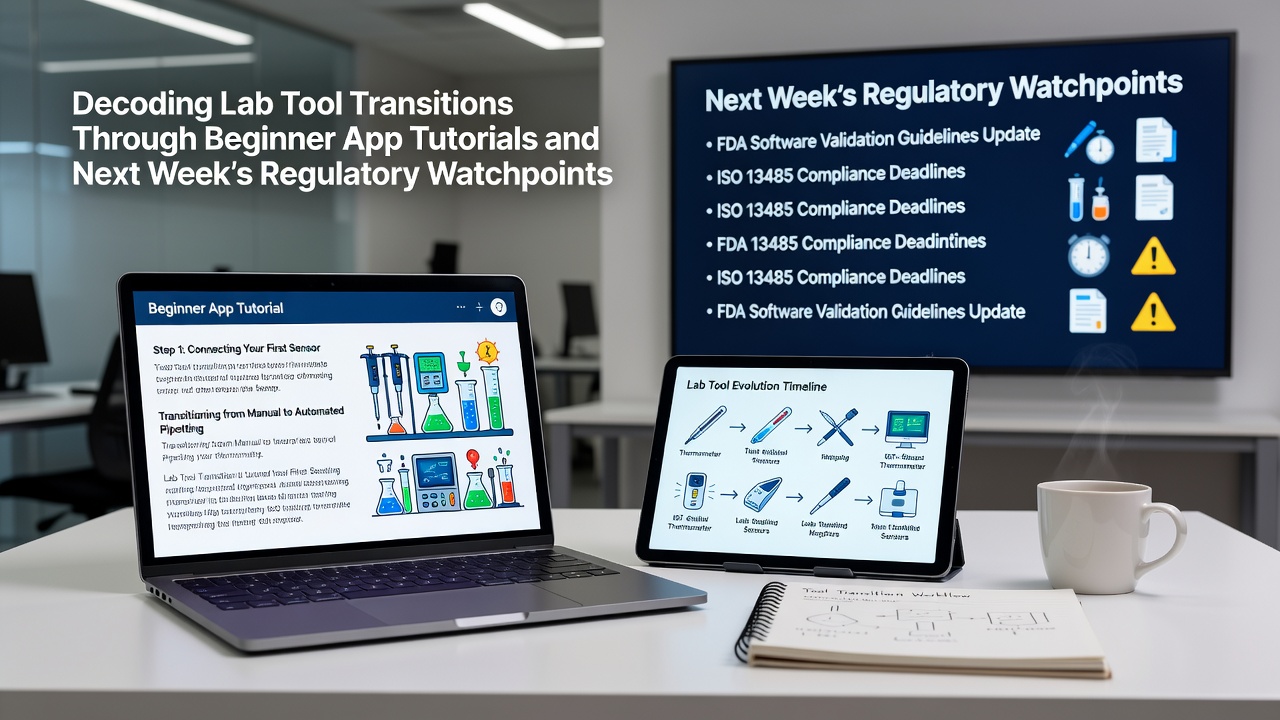
Practical Application of Tutorial Sequences
Beginner app tutorials generally follow a layered structure that begins with account setup and progresses to advanced configuration of regulatory alert systems. Case examples from academic labs illustrate that users who complete the initial modules on data visualization tools then move more confidently into sections covering compliance dashboards. These dashboards flag potential issues such as timestamp inconsistencies or missing metadata entries before they reach formal review stages.
Experts have observed that tutorial content increasingly incorporates scenario-based exercises drawn from actual regulatory scenarios in Canada and Australia. Participants practice adjusting tool parameters to meet varying regional standards, and this practice prepares teams for the harmonization efforts expected in late 2026. The approach connects daily lab operations with broader policy developments through guided prompts rather than separate policy documents.
Integration Challenges and Documented Solutions
Facilities that manage multiple instrument types often encounter compatibility hurdles during transitions, yet structured tutorials provide mapping exercises that link legacy file formats to new database schemas. Reports from collaborative research networks indicate that groups using these exercises reduce integration time by measurable margins while maintaining data traceability. Watchpoints for the coming week also highlight the need for version control documentation, which tutorials address by walking users through change-log features built into updated applications.
Conclusion
Lab tool transitions continue to intersect with evolving regulatory frameworks, and beginner app tutorials serve as documented entry points for understanding both technical and compliance dimensions. Data compiled through September 2026 will likely clarify how effectively these resources prepare organizations for the next set of oversight requirements across different jurisdictions.