Sage Lorenz · 17 October 2026
How App Tutorials Are Bridging Gaps Between New Regulatory Standards and Mobile Product Rollouts
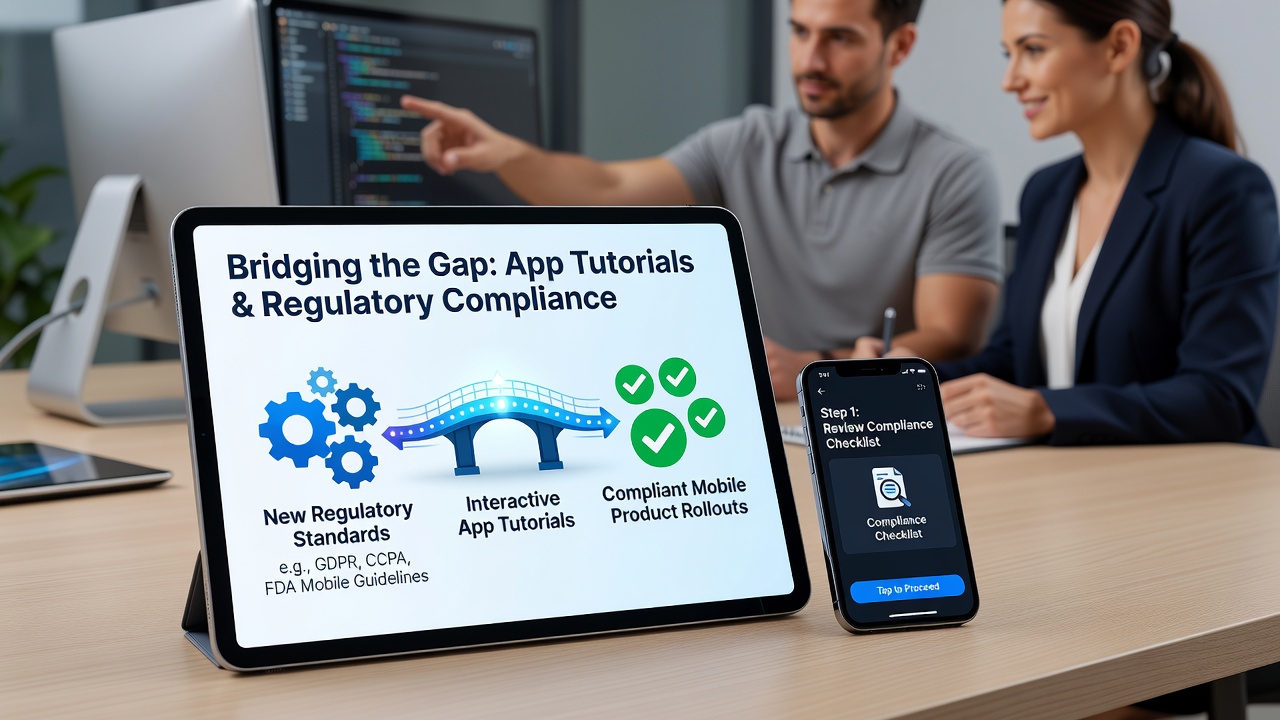
Regulatory frameworks governing mobile applications have expanded considerably since 2024, with updates to data protection rules, accessibility mandates, and security protocols requiring developers to adapt launch processes quickly. App tutorials serve as structured onboarding sequences that deliver targeted guidance on these requirements during initial user interactions and internal team training sessions. In October 2026, several jurisdictions implemented revised standards for mobile data handling that directly affect rollout timelines for consumer-facing products.
Developers integrate tutorial modules to explain consent flows mandated under frameworks such as the EU's Digital Services Act and Australia's Privacy Act amendments, ensuring users receive clear information before data collection begins. These modules reduce instances of non-compliant launches by presenting step-by-step instructions that align with official guidelines from regulatory bodies. Research from academic institutions tracking app store submissions shows that products incorporating compliance-focused tutorials experience fewer post-launch adjustments compared to those relying solely on static documentation.
Current Regulatory Environment for Mobile Applications
Standards issued by agencies across regions now emphasize transparency in data practices and inclusive design for diverse user groups. The European Commission maintains detailed resources on digital compliance at its digital strategy portal, covering obligations that apply to app operators handling user information. Meanwhile, the US Federal Trade Commission outlines expectations for fair data practices in its business guidance materials, prompting teams to embed explanatory content directly into app experiences.
Mobile product teams must address overlapping requirements when preparing releases, including encryption standards and age-appropriate features. Tutorials address these by breaking down complex rules into sequential screens that users and staff can reference during setup. Data from industry reports indicates that apps released after October 2026 updates incorporated tutorial elements addressing at least three distinct regulatory areas on average, covering privacy notices, accessibility options, and security prompts in unified flows.
Function of Tutorials in Compliance Education
Tutorials function as dynamic interfaces that update in response to policy shifts, allowing developers to revise content without altering core app architecture. Observers note that this approach enables rapid alignment with new rules from bodies like Canada's Office of the Privacy Commissioner, where guidelines on consent mechanisms changed in mid-2026. Teams deploy versioned tutorial branches that activate based on user location or device settings, presenting region-specific explanations drawn from official regulatory texts.
Internal rollout processes benefit when tutorials double as training tools for product managers and support staff. These sequences outline verification steps required before deployment, such as confirming that data minimization practices match current statutes. Studies conducted by university research groups reveal that organizations using tutorial systems report shorter review cycles during pre-launch audits, as the embedded guidance surfaces potential gaps before external submission.
Implementation During Product Rollouts
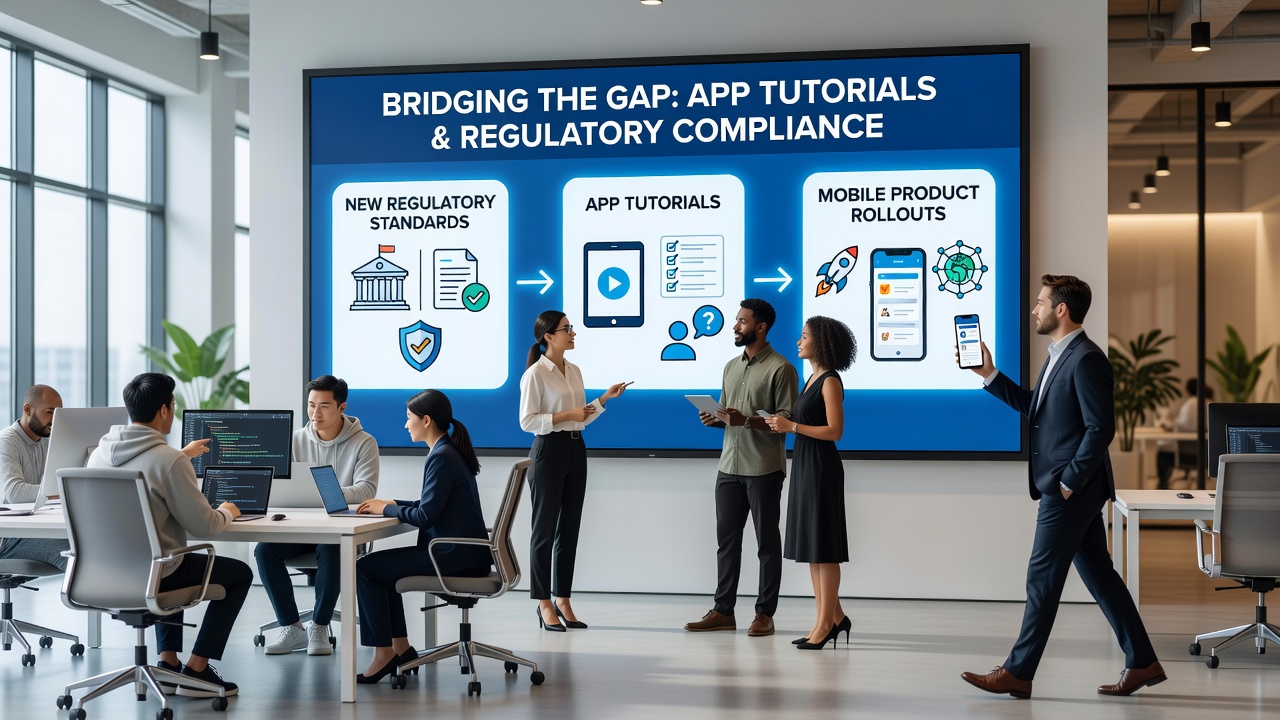
Rollout schedules incorporate tutorial development phases alongside coding and testing milestones, ensuring regulatory content reaches users at first launch. Product teams coordinate with legal specialists to script tutorial narratives that reference specific clauses from standards, then test these sequences through A/B variations to measure user comprehension rates. This integration allows adjustments based on feedback loops before wider distribution.
Examples from development cycles demonstrate tutorials guiding users through multi-step verifications for features like location tracking or biometric authentication. Completion metrics tracked in analytics platforms show higher adherence when tutorials present information in interactive formats rather than separate policy documents. Regulatory updates in October 2026 prompted several major platforms to require tutorial modules covering new transparency obligations, accelerating adoption across the sector.
Case Examples from Development Teams
One logistics app provider revised its onboarding sequence to include tutorial segments on cross-border data transfers following policy clarifications from multiple national authorities. The updated flow reduced support queries related to compliance notices by directing users through selections that matched updated legal thresholds. Another case involved a health tracking product that embedded tutorial checkpoints aligned with accessibility rules, allowing teams to document adherence during certification processes.
These instances illustrate how tutorials bridge documentation gaps by embedding regulatory knowledge into user paths. Teams that monitor tutorial engagement data identify sections where users pause or exit, prompting refinements that strengthen overall compliance posture ahead of subsequent releases.
Challenges Addressed Through Tutorial Design
Shifting standards create timing pressures during rollouts, yet tutorial systems permit modular updates that avoid full app resubmissions. Designers address language and cultural variations by localizing tutorial content to reflect regional regulatory nuances without altering underlying codebases. Analytics integration helps teams quantify how effectively tutorials convey required information, supporting iterative improvements based on observed user behavior.
Resource constraints in smaller development groups receive mitigation through standardized tutorial templates derived from public regulatory summaries. These templates incorporate core elements from sources such as those maintained by the Office of the Australian Information Commissioner, enabling consistent coverage across releases. The result appears in launch records showing sustained compliance following tutorial deployment.
Conclusion
App tutorials continue to support alignment between regulatory standards and mobile product launches by delivering targeted, updateable guidance within user experiences. As frameworks evolve, these tools provide mechanisms for teams to maintain adherence while meeting rollout deadlines across varied jurisdictions. Data collected through completion tracking and audit processes confirms their role in streamlining transitions to new requirements.